Roofing Services
Hail Damage Roof Repair for Lapeer County Homes
Hail rarely punches a hole you can see. It cracks the mat inside a shingle, knocks loose the granules that protect it, and leaves the roof to fail slowly over the following seasons.
- Licensed & InsuredResidential and commercial
- 25+ Years of ExperienceOn Lapeer County roofs
- Free InspectionsWritten estimates
- Licensed & Insured
- 25+ Years of Experience
- Residential & Commercial Roofing
- Free Inspections & Written Estimates
- Serving Lapeer County, Michigan
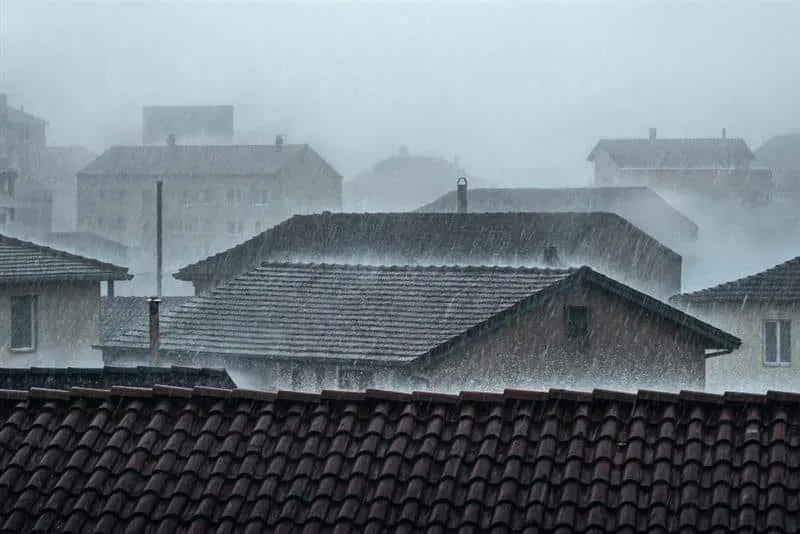
After a summer hailstorm, plenty of roofs look fine from the driveway. That is the trouble with hail. The damage it does to asphalt shingles is usually small, scattered and hidden on slopes you cannot see, and it can take a year or more of sun and freeze-thaw before the first leak gives it away. By then, connecting that leak back to one particular storm is much harder.
What does hail actually do to asphalt shingles?
A hailstone hitting a shingle can fracture the fiberglass mat underneath the surface, which shows up as a soft spot or bruise. It also knocks off granules, the coating that shields the asphalt from sunlight. Bare spots then dry out and crack faster. Hail can also split older, brittle shingles outright.
Signs on the shingles
- Dark, roughly circular spots where granules are missing
- Bruises that feel soft or spongy when pressed
- Small cracks radiating from an impact point
- Exposed fiberglass mat where the hits were hardest
Signs elsewhere on the house
- Dents in gutters, downspouts and metal vent caps
- Dinged or bent flashing and drip edge
- Piles of granules at the bottom of downspouts
- Chipped paint or dented siding, window screens and outdoor equipment on the storm side
Hail damage also rarely causes an immediate leak, which is why people put off checking. A bruised shingle can keep water out for a while. The problem is that it wears out years ahead of its neighbors, and the roof starts failing one spot at a time.
Why can't I see the damage from the ground?
Hail bruises are usually the size of a coin or smaller, and from the yard a roof with dozens of them can look completely normal. Impacts also cluster on the slopes that faced the storm, which may be the back of the house. Seeing hail damage reliably means walking the roof and checking shingles up close.
What you can do from the ground is look for clues around the roof. Fresh dents in a downspout, a dinged mailbox, shredded garden leaves or a heavy wash of granules out of the gutters all suggest the roof took hits too. That is a good reason to book a free inspection, even when no water has come inside.
How we inspect and repair a hail-hit roof
- We walk each slope and mark impacts, paying close attention to the sides that faced the storm.
- We check soft metals like vents, flashing, drip edge and gutters, because dents there help confirm hail size and direction.
- We photograph marked areas with something for scale, so the damage reads clearly in pictures.
- In the attic, we look for daylight, damp decking or fresh staining beneath the hit areas.
- You get a written estimate describing what we found and what we recommend.
- Repairs replace damaged shingles and metal components with materials matched to your roof as closely as possible.
If hail has damaged so much of the roof that piecemeal repair does not make sense, we will say that honestly and talk with you about what comes next. In many of those cases the answer is replacing every slope with new shingles, underlayment and metal, work we also take on.
Should I file an insurance claim for hail?
That decision is yours, and it depends on your policy, your deductible and the extent of damage. What we can do is give you an honest assessment, photos and a written repair estimate so you can make an informed call. Many policies set deadlines for reporting storm damage, so check yours soon after the hailstorm.
If you do file, we can meet the adjuster on the roof and point out what we documented. You stay in charge of the claim and every conversation with your insurer. The insurance claims page lays out exactly where our role starts and stops.
Hail and Lapeer County weather
Hail here arrives with the summer thunderstorms that build over the farm country. Homes on open land around North Branch and Attica take the full force of a storm cell with nothing in the way. In Columbiaville, older village roofs with worn shingles crack more easily under impact, and on country lots near Almont the damage often gets noticed weeks later. Winter then makes everything worse: water that seeps into bruised shingles freezes, expands and widens the cracks.
Hail usually travels with strong wind, so we also check for the lifted tabs described on our storm damage repair page. If a leak has already started, a roof leak inspection traces where the water is getting in.
Schedule a hail inspection
Mention the date of the storm if you know it, and anything you noticed dented around the yard.
Why choose Lapeer County Roofing
Licensed and insured
Lapeer County Roofing is licensed and insured for residential and commercial roofing work across Lapeer County.
25+ years of experience
Our crew brings 25+ years of experience to every repair, replacement and inspection on homes and commercial buildings.
Free inspection with photos
We inspect the whole roof, photograph what we find and show you the damage before we recommend anything.
A written estimate
You get the price in writing before work starts, with no cost and no obligation for the inspection.
Adjuster meetings on request
For storm claims we document the damage and can meet your insurance adjuster on site if you ask us to.
Cleanup when we finish
We pick up nails, old shingles and debris before we leave, so your yard and driveway are clear.
Hail Damage Repair: common questions
How soon after a hailstorm should my roof be inspected?
Sooner is better. Fresh impacts are easier to identify and tie to a specific storm, and many insurance policies have time limits for reporting damage. An early inspection also catches cracked shingles before freeze-thaw cycles and the next few rains turn them into leaks. Write down the storm date while you remember it.
What size hail damages a roof?
There is no single cutoff. Larger stones obviously do more harm, but smaller hail driven by strong wind can still bruise shingles, especially older ones that have lost flexibility. Roof age, shingle type and the angle of the slope all play a part. That is why we judge the roof itself rather than the reported hail size.
Is losing some granules always a sign of hail?
No. New shingles shed loose granules for a while, and every roof loses some as it ages. Hail loss looks different: concentrated, roughly round spots where the asphalt is exposed, often matched by dents in nearby metal. A sudden heavy rinse of granules in the gutters right after a storm is the pattern worth checking.
My neighbors had hail damage. Does that mean I do too?
Not necessarily. Hail falls in narrow bands, and two homes on the same road can see very different results depending on roof age, direction and tree cover. A neighbor's damage is a good reason to have yours checked, though. A free inspection tells you either way, with photos of what we did or did not find.
Can you repair just the hail-damaged shingles?
When the damage is limited to certain areas, yes: we replace the bruised or cracked shingles and damaged metal, matching the existing roof as closely as we can. When impacts are spread across every slope, spot repairs may not hold up, and we will explain that honestly before any work starts so you can decide.
Need hail damage repair?
Tell us what happened and where. We’ll take a look and give you a free estimate.