Roofing Services
Roof Leak Inspection: Finding Where the Water Really Gets In
Water is sneaky. It enters at one spot, runs along a rafter or the top of the underlayment, and drips somewhere else entirely. A good inspection follows that path back to where it starts.
- Licensed & InsuredResidential and commercial
- 25+ Years of ExperienceOn Lapeer County roofs
- Free InspectionsWritten estimates
- Licensed & Insured
- 25+ Years of Experience
- Residential & Commercial Roofing
- Free Inspections & Written Estimates
- Serving Lapeer County, Michigan
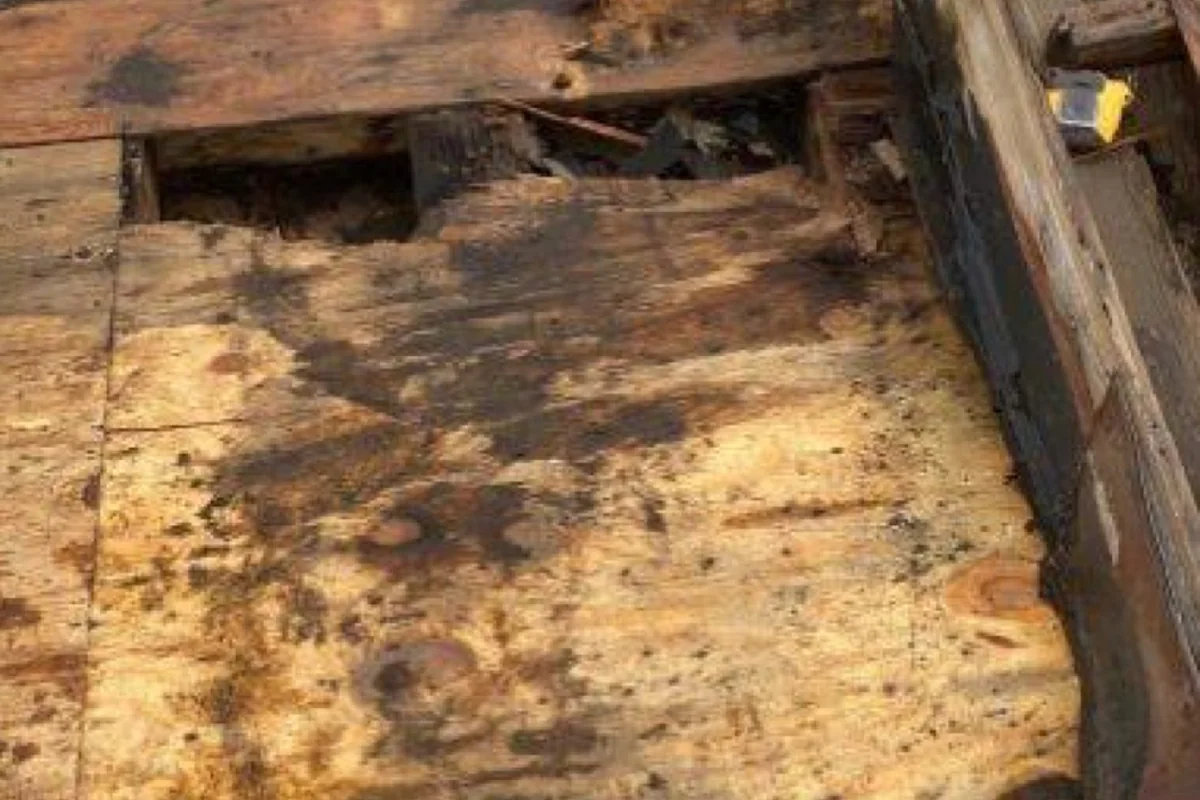
Patching the shingles directly above a ceiling stain is one of the most common reasons a leak keeps coming back. The stain shows where water finally dripped, not where it got in. We approach a leak from two sides: inside the attic, where the evidence is, and up on the roof, where the cause is.
Why isn't the leak right above the stain?
Because water travels before it drips. It can slip under a shingle, run down the felt or the top of the decking, follow a rafter or a pipe, and only fall once it reaches a low point or a seam in the drywall. On a sloped roof, the entry point is usually higher up the slope than the stain.
A few feet of travel is common, and in some houses the entry point sits on a different section of roof altogether. That is why we do not touch a shingle until the trail makes sense.
How we trace a leak, step by step
In the attic
- Follow water stains, darkened wood and damp insulation uphill toward their highest point
- Look for daylight around nails, pipes and vents
- Check the underside of the decking for soft spots and mold
- Note whether the dampness looks like a leak or like condensation from poor attic ventilation
On the roof
- Inspect the shingles, flashing and penetrations directly above and upslope of the attic evidence
- Look for lifted or cracked shingles, backed-out nails and worn sealant
- Check valleys, where two slopes send water into one channel
- When needed, run water over one section at a time with a hose while someone watches from the attic
Afterward
- Photos of what we found, marked and explained
- A written repair estimate, free of charge
What are the most common sources of roof leaks?
In the homes we inspect, the usual culprits are flashing around chimneys, walls and skylights, rubber boots around plumbing vents that crack with age, worn valleys, nail pops that push up through shingles, and ice dams that force meltwater under the roof edge. Storm damage and missing shingles round out the list.
- Chimney flashing: step and counter flashing pull away from brick as mortar ages, a frequent issue on older homes near downtown Lapeer.
- Pipe boots: the rubber collar dries out in the sun and cracks, letting water run down the pipe.
- Skylights: leaks often come from the flashing around the frame rather than the glass.
- Nail pops: a nail that backs out lifts the shingle above it and leaves a hole.
- Ice dams: snow melts on a warm upper roof, refreezes at the cold eaves, and the trapped water backs up under the shingles.
Could it be condensation instead of a leak?
Sometimes. In winter, warm, moist air from the house can condense on cold roof decking and drip, especially in attics with blocked vents or missing insulation. Leaks from condensation tend to show up across a wide area and on cold days, not only during rain. We check ventilation as part of every leak inspection.
Older homes near the river in Columbiaville, and other houses with little attic airflow, can be especially prone to this. The fix there is about moving air, not adding shingles.
What an inspection does not do
An inspection finds the problem; it does not fix it. If it shows rot spread across much of the deck, we will explain why replacing the roof beats another patch. If water is coming in heavily while you wait for the repair, we may recommend temporary roof sealing for a small opening or emergency roof tarping for a larger one. If the leak turns out to be storm-related, the photos and notes from the inspection can support a homeowner's claim. See insurance claims for how that works and which decisions remain in your hands.
Leak patterns around the county
Different parts of Lapeer County leak in different ways. Converted cottages at Otter Lake often have low-slope additions where water sits longer than shingles are designed for. Country homes around Metamora with many gables gather heavy rain in their valleys. Village homes in Almont with additions roofed at different times tend to leak right where old and new sections meet.
Book a leak inspection
If you can, note when the leak appears: heavy rain, wind from one direction, or melting snow. That detail helps us narrow the search.
Why choose Lapeer County Roofing
Licensed and insured
Lapeer County Roofing is licensed and insured for residential and commercial roofing work across Lapeer County.
25+ years of experience
Our crew brings 25+ years of experience to every repair, replacement and inspection on homes and commercial buildings.
Free inspection with photos
We inspect the whole roof, photograph what we find and show you the damage before we recommend anything.
A written estimate
You get the price in writing before work starts, with no cost and no obligation for the inspection.
Adjuster meetings on request
For storm claims we document the damage and can meet your insurance adjuster on site if you ask us to.
Cleanup when we finish
We pick up nails, old shingles and debris before we leave, so your yard and driveway are clear.
Roof Leak Inspection: common questions
Why does my roof only leak during some storms?
Leaks that appear only with wind from one direction, or only during long soaking rains, usually point to flashing or a lifted shingle that lets water in at a certain angle. Leaks that appear only during thaws point to ice dams. Telling us exactly when it happens narrows the search a lot.
Do you need to get into my attic?
Yes, whenever there is safe access. The attic is where water leaves its trail: stained wood, wet insulation, rusty nails and sometimes daylight. Checking it first tells us where to focus on the roof. If your attic hatch is in a closet, clearing a path ahead of time helps the visit go smoothly.
Is a roof leak inspection really free?
Yes. We inspect the roof and attic, explain what we found, and give you a written estimate for the repair at no charge and with no obligation. If the leak turns out to be something small that could be handled another way, we will tell you that too, along with what we would watch for.
Can a leak come from a gutter instead of the roof?
It can. Clogged gutters overflow behind the fascia and soak the roof edge, the soffit and sometimes the top of a wall, which looks a lot like a roof leak from inside. In winter, full gutters also help ice dams form. We look at gutters and drip edge as part of tracing any leak near an exterior wall.
What if you cannot find the leak on the first visit?
Some leaks are intermittent and only show up under specific conditions. If the source is not clear, we will say so rather than guess, explain the likely candidates, and may suggest a water test or a return visit during the kind of weather that triggers it. Replacing random shingles and hoping is not a fix.
Need roof leak inspection?
Tell us what happened and where. We’ll take a look and give you a free estimate.